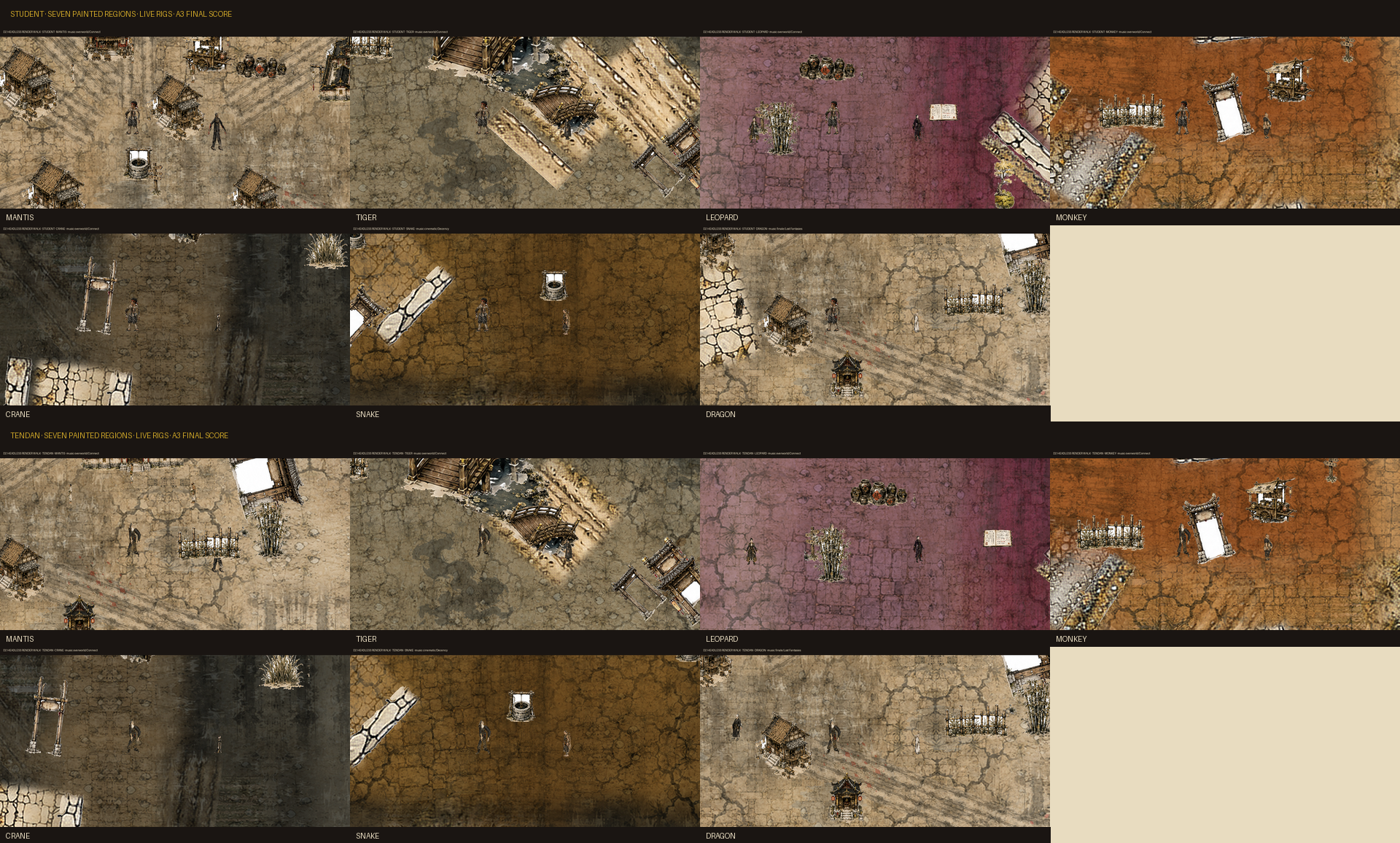
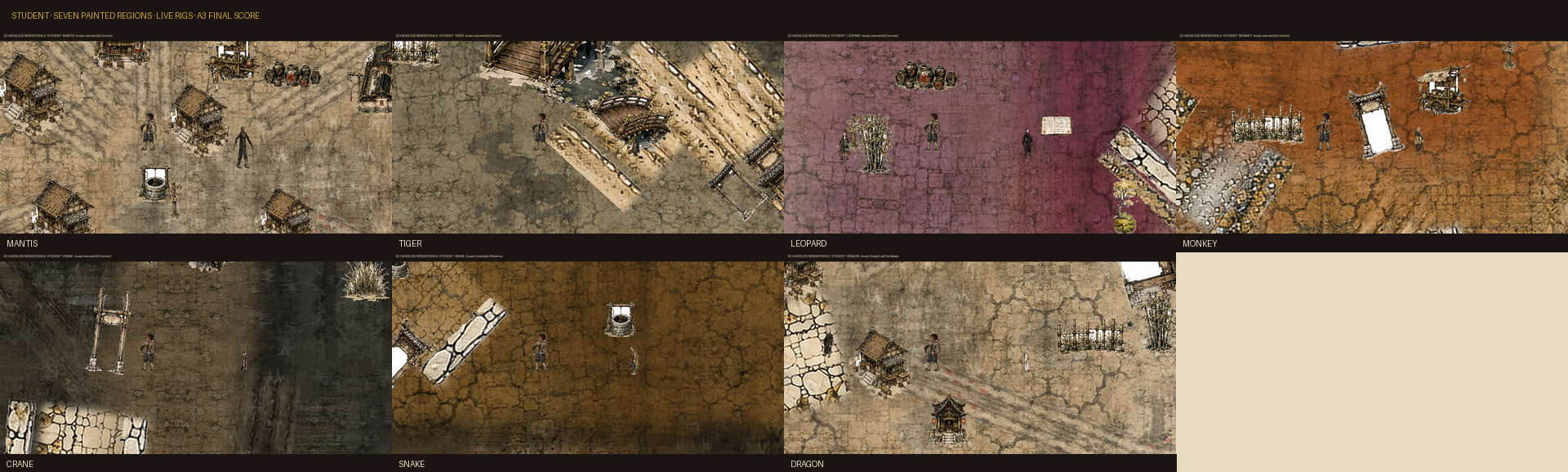
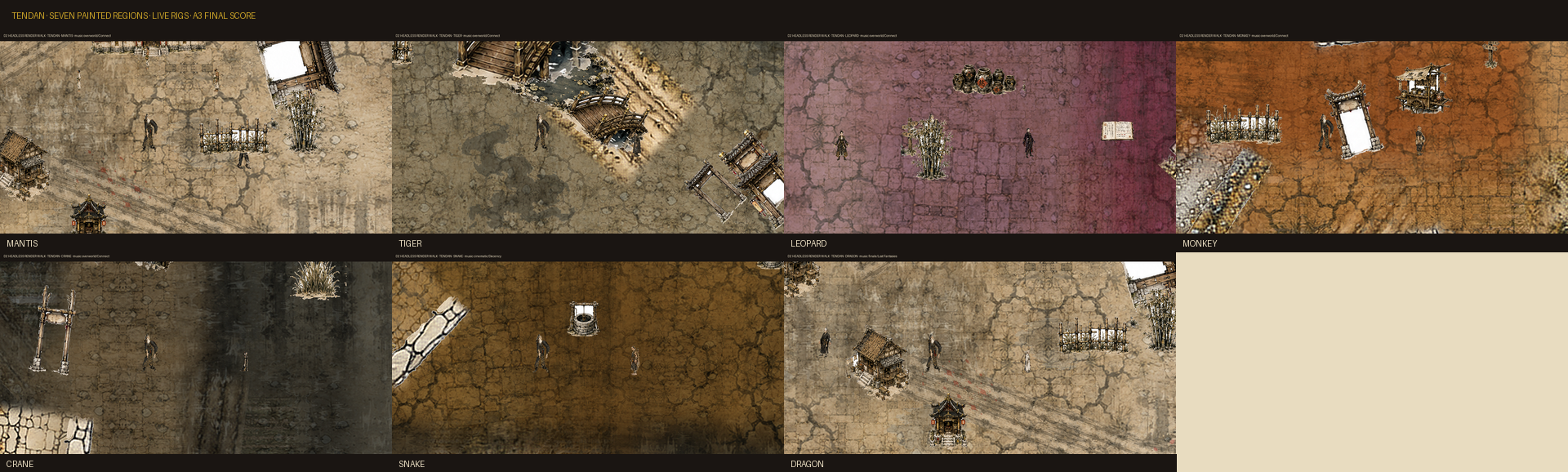
Direction & Design
Game Director + 3: World & Systems Design, Combat Design, UX & Accessibility.
Godot 4.7 · 2D top-down painted ink-on-paper · macOS universal build
 one scene / all code
This whole game has exactly ONE Godot scene file — scenes/main.tscn, a single bare Node. Every other node (the entire world, player, bosses, UI, VFX) is built in CODE at runtime via Node.new() + add_child(), enforced by the repo's G-NO-TSCN rule — because the game is built by a fleet of parallel AI agents, and merge-safe code beats binary scene diffs.
Structure status: PROPOSED, pending Founder ratification — 6 of 36 defined roles are active/ratified today (CEO, CTO, CMO-studio, COO-ops, HR-records, studio-creative-producer); the rest is the org chart the studio is hiring into. Chain of authority: Founder (final creative/release call) → CEO/Executive Producer → Game Director · CTO/Technical Director · Studio Director/CMO · CQO (independent quality judgment) · COO — plus Observability & Records, feeding evidence and lessons straight back to the CEO. Every seat carries an explicit, concrete required gate, not a vibe.
Game Director + 3: World & Systems Design, Combat Design, UX & Accessibility.
Narrative Director + 5: quest/systemic dialogue, cinematic writing/VO direction, narrative systems engineering, quest tech design, continuity QA.
CTO + 5, including the C++ Engine & Platform Lead — the seat carrying the C++ mandate below.
Studio Director/CMO + 8 art/audio/cinematics leads.
COO + Development Producer, Build & Release Lead, Machine & CI Operator.
CQO (independent judgment) + 3 QA leads.
Current production source: 225 GDScript files, 14 Godot shaders, exactly 1 .tscn — zero first-party C++, .gdextension, or 3D-asset source files exist yet. The Founder directed a C++-heavy runtime on 2026-07-27; the plan is seam-by-seam, not a rewrite — no "rewrite everything in C++" ticket exists.
Planned, not built: chunk streaming/HLOD, dense NPC simulation + perception, combat resolution + deterministic replay, animation/IK/crowd instancing, story-state + save hot paths, perf counters + trace export, import-time validators.
Godot-native, Metal reached through Godot's own abstraction: foliage/cloth wind, wetness, water, particles, atmospheric scattering, ink effects, GPU instancing.
Scene orchestration, UI, quest/cinematic sequencing, content adapters, and the tests that exercise the C++ contracts once they exist.
main.gdAudioManagerworld.gdplayer.gdPainted source art enters the project.
title-backdrop-scene.pngGodot bakes each PNG/wav into a GPU-ready Texture2D/AudioStream; this repo has 1257 .import sidecars.
title-backdrop-scene.png.importNames scenes/main.tscn as the run scene, sets the 1280×720 viewport, and registers the Game autoload.
project.godotRuns title → campaign menus, then enters _start_run().
main.gdAssembles the level from data: discovers scenes/regions/*.gd, paints ground from the world_kit_ii atlas, and spawns Player, enemies, and directors via .new().
world.gdInput actions drive CharacterBody2D movement, hitbox Area2D contact, Enemy.take_hit(), and Game.boss_defeated on the Game event bus; then the macOS .app export is made.
scenes/regions/mantis.gd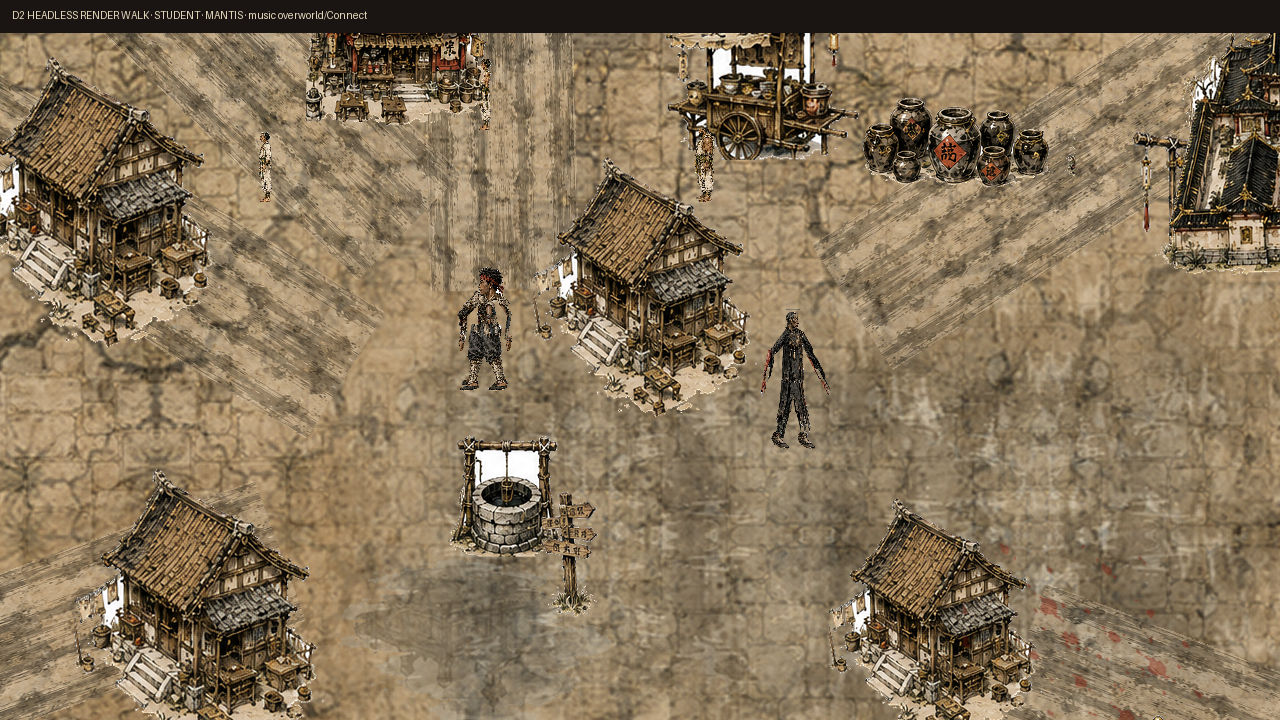
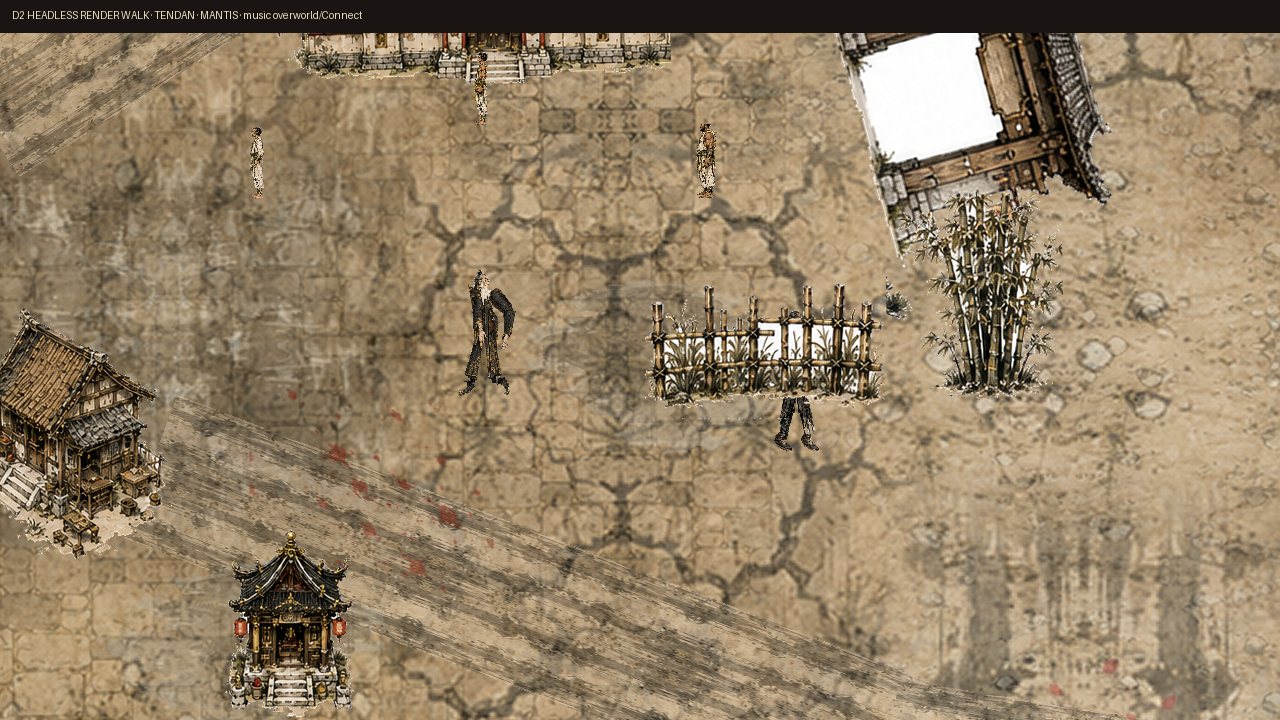
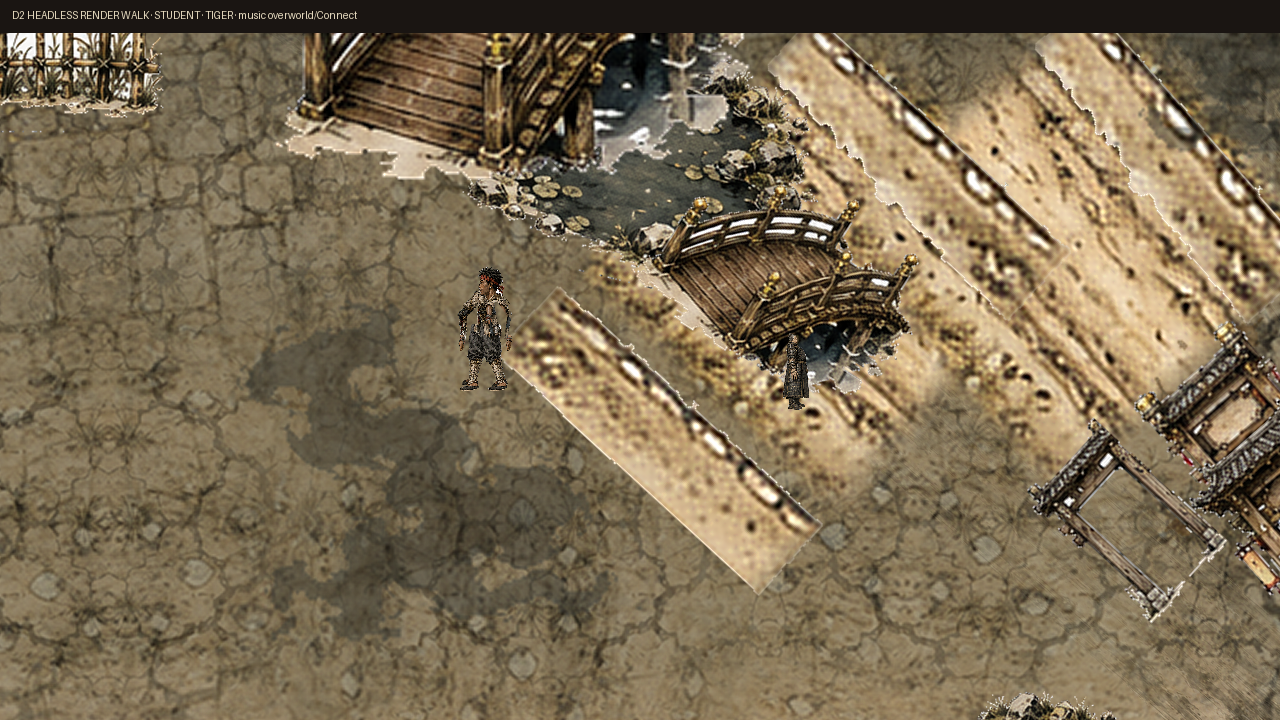
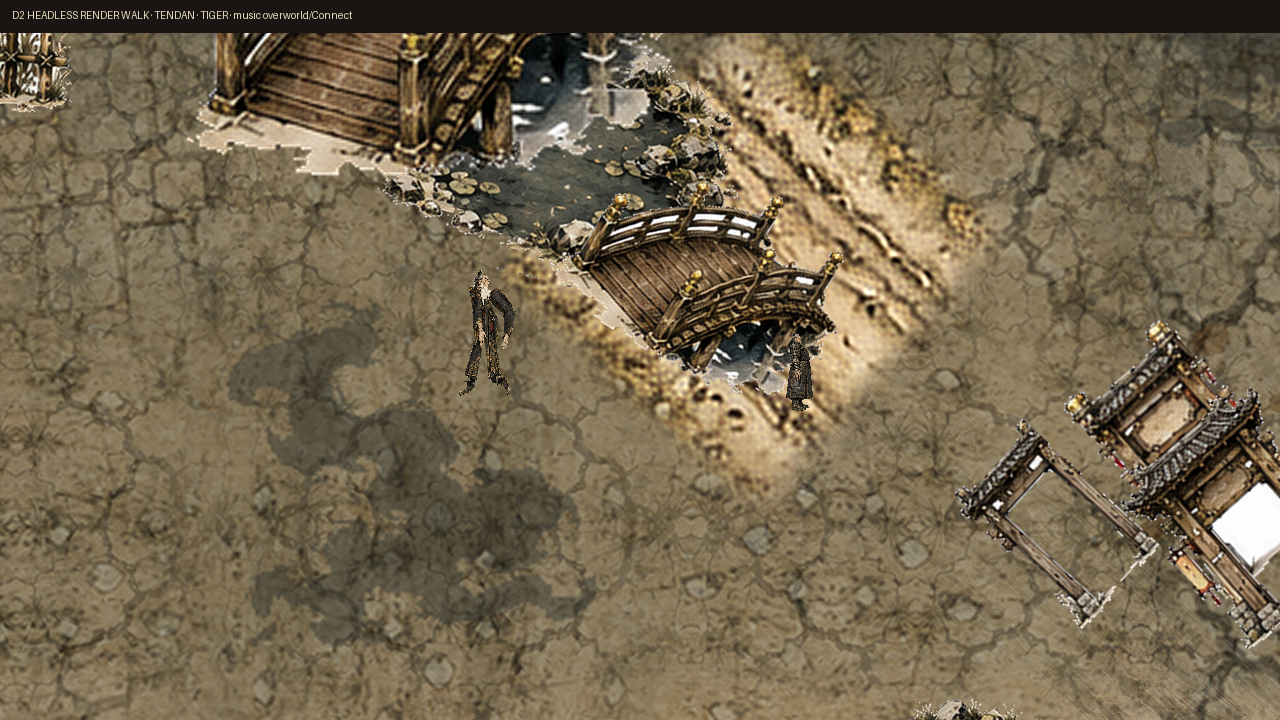
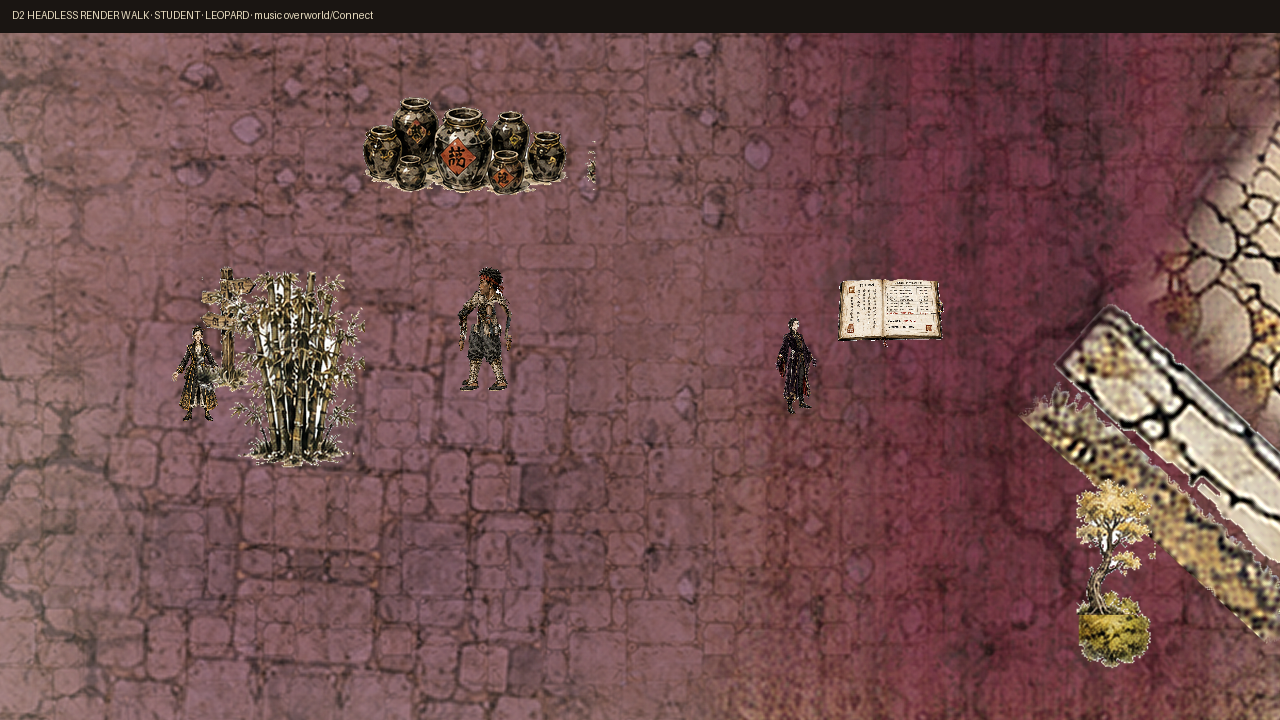
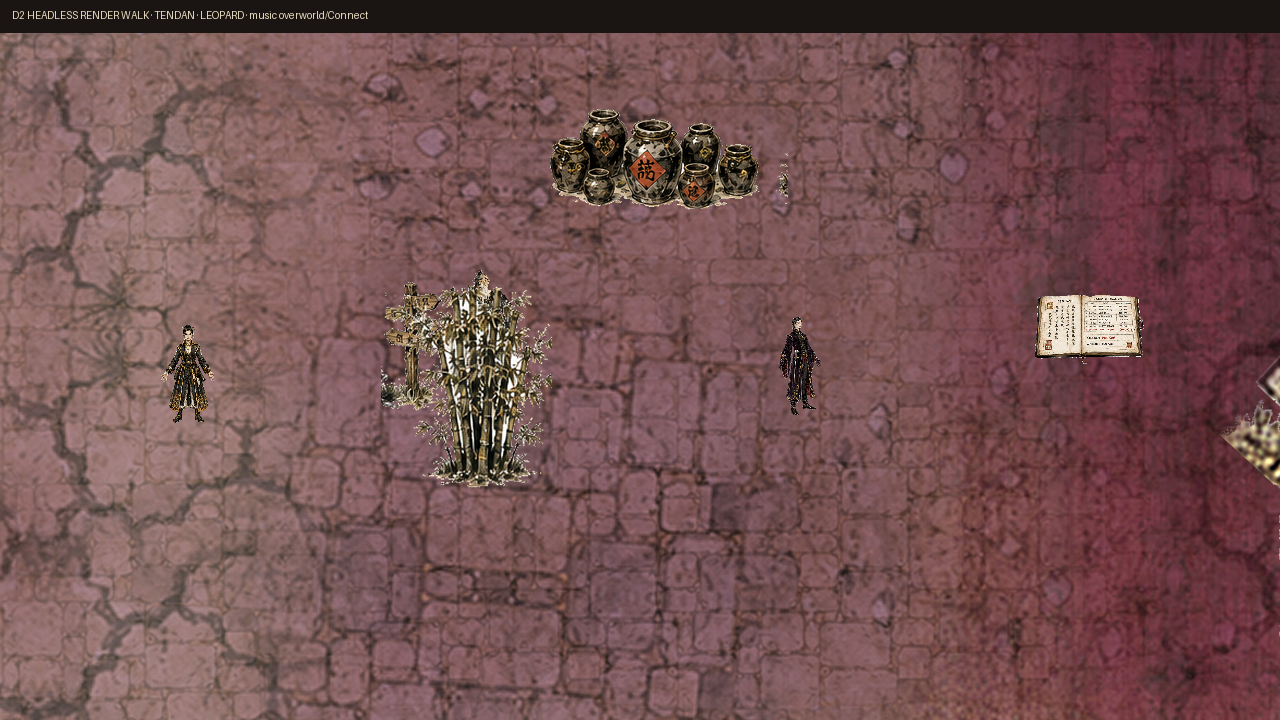
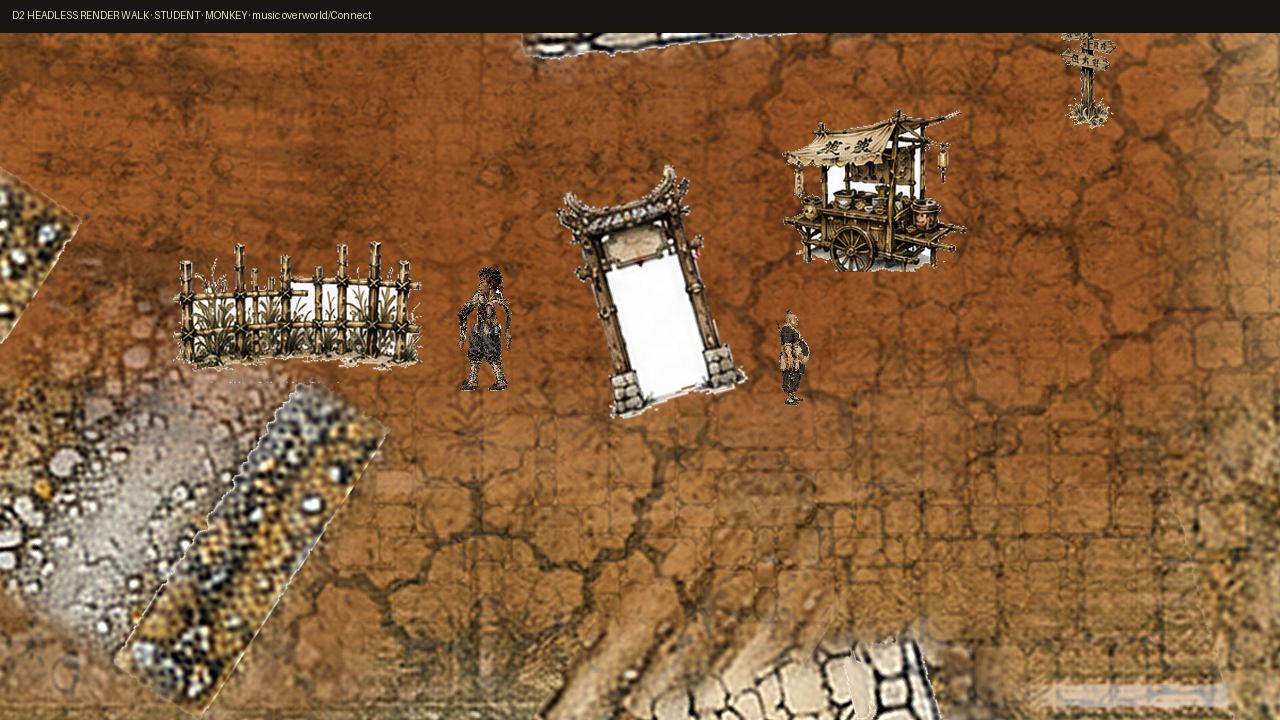
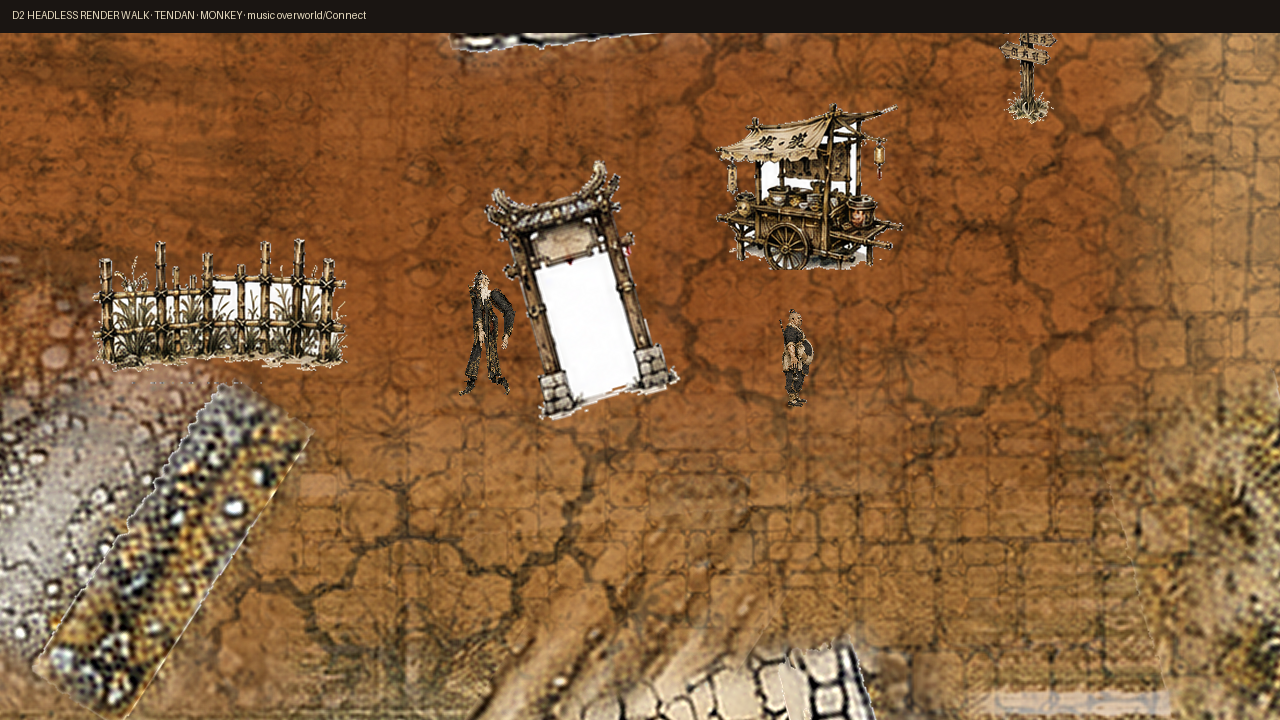
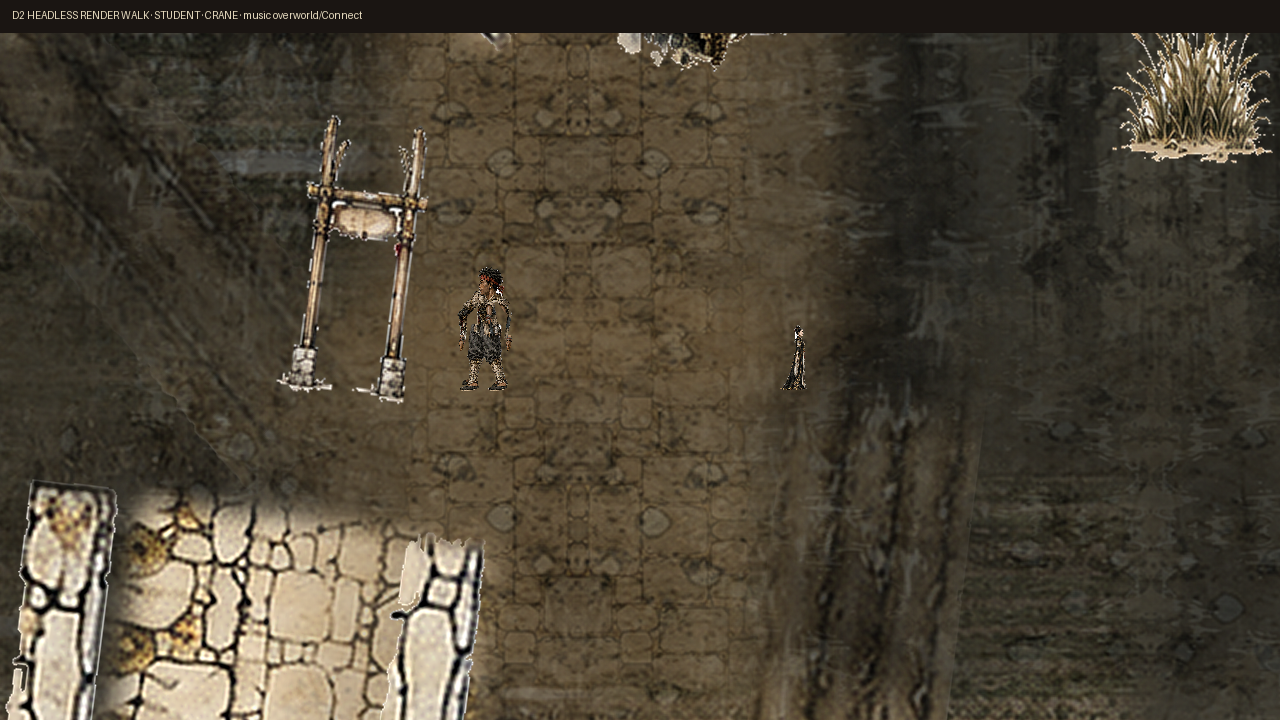
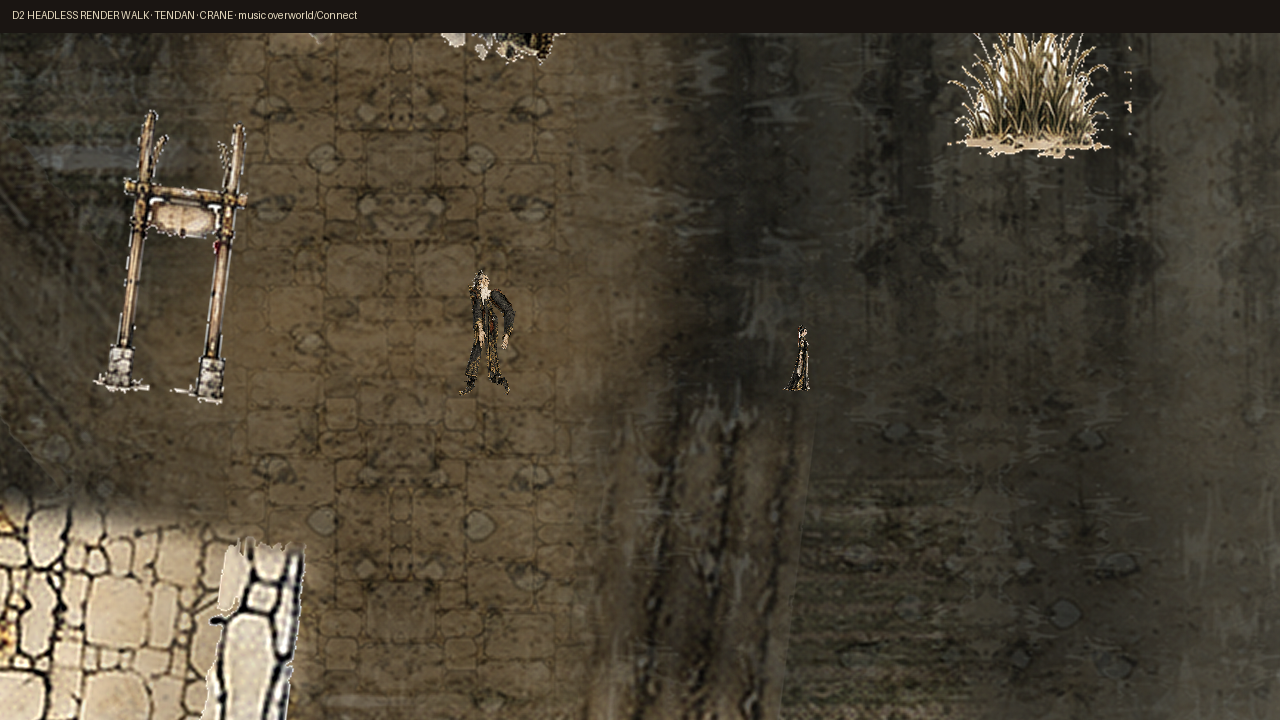
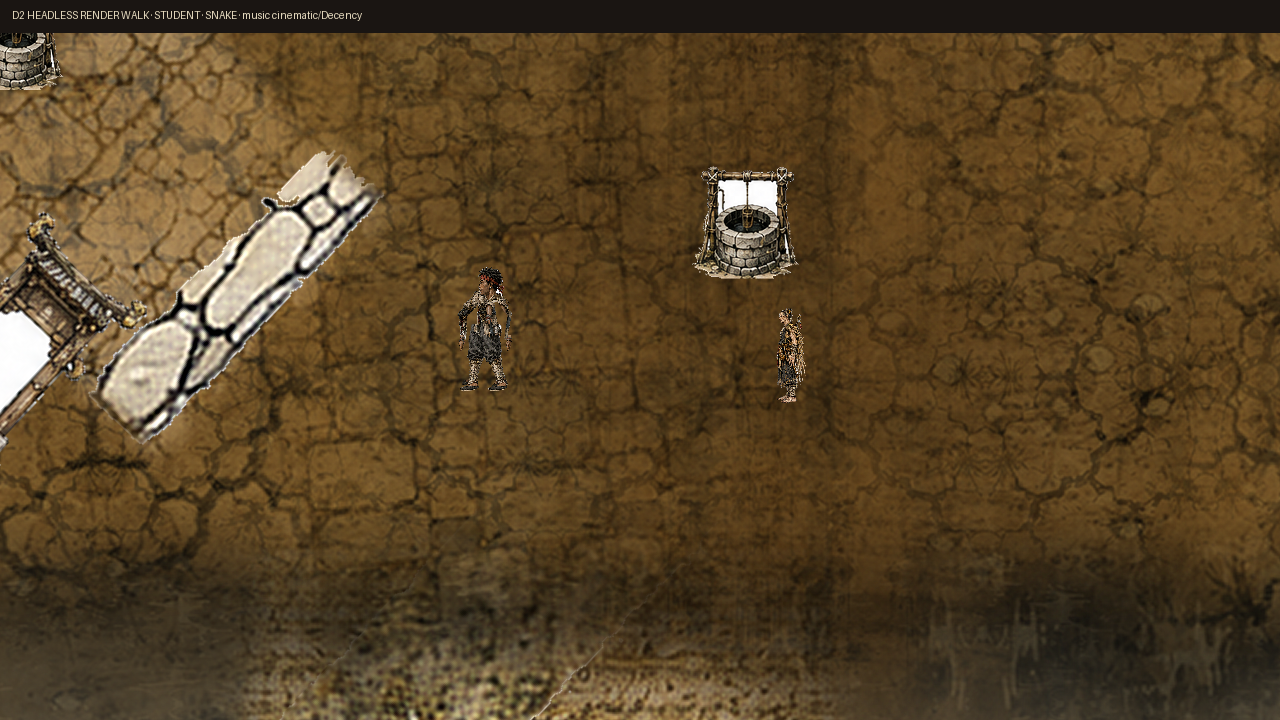
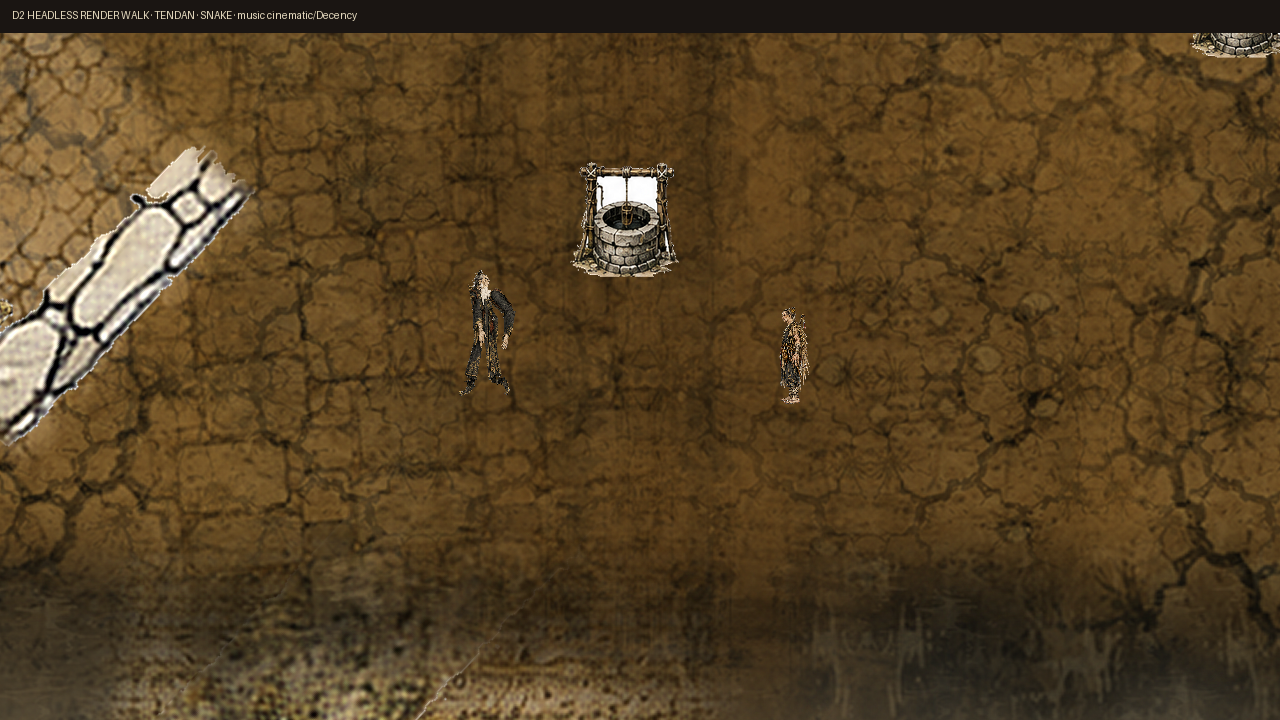
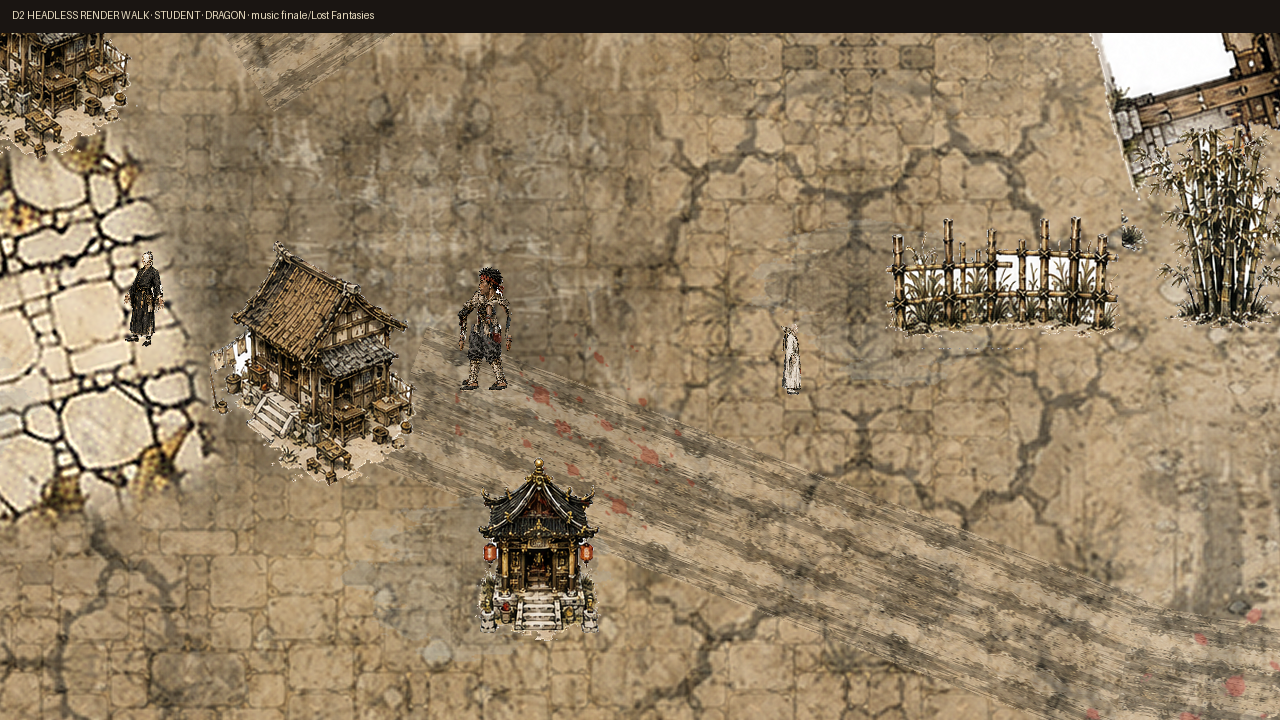
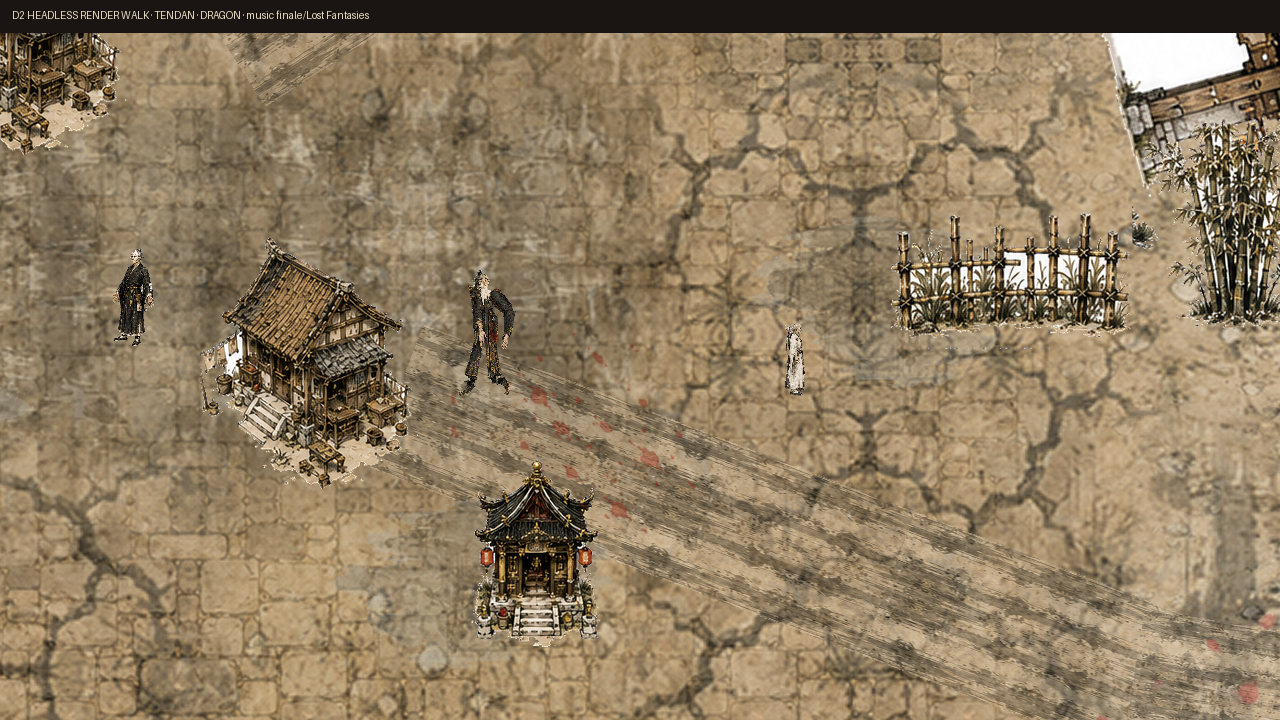
The path ends at the hidden finale.
Characters aren't static sprites — a code-built HumanoidRig (bones + Verlet-chain secondary motion) plus a per-character FighterSkin maps painted PNG parts onto the bones. That's why each art/<char>/ folder has source/ + parts/ + atlas/.